A deep dive into the research showing why Gen Z and Millennials are drinking less, the health risks of loneliness, and why community is the new currency of wellness.
6 min read

For decades the equation was simple. Socializing equals drinking. If you wanted to meet people you went to a bar. If you wanted to celebrate you popped a bottle. But if you look at the numbers that equation is breaking down. We are in the middle of a massive cultural shift and for the first time the data is catching up to what many of us have felt for years. Alcohol is not the social lubricant we thought it was. In fact it might be the very thing keeping us apart.
We dug into the research to understand why this shift is happening and where we are headed next.
The Generational U-Turn
The most telling data comes from the people who are defining the future. According to a recent Gallup poll, alcohol consumption among young adults is dropping fast. In 2023 only 62% of adults under 35 said they drink alcohol which is down from 72% just two decades ago. That is a double-digit drop.
Why is this happening? It is not just about health although that is a huge part of it. It is about control. Gen Z and Millennials are the most documented generations in history. They know that everything they do can end up online forever. The idea of losing control or blacking out is not a rite of passage anymore. It is a liability.
But there is another layer. A study published in the International Journal of Drug Policy suggests that young people are increasingly viewing alcohol not as a treat but as a depressant that steals their time and energy. They are trading hangovers for productivity. They are choosing to invest in their mornings rather than sacrifice them for the night before.
The Loneliness Epidemic vs. The Power of Tribe
While drinking rates are going down another statistic is skyrocketing. Loneliness. The U.S. Surgeon General recently released an advisory declaring loneliness a public health epidemic stating that lacking social connection is as dangerous as smoking 15 cigarettes a day. You can read the full Surgeon General's Advisory here.
This is where the old model of going out for drinks fails us. We often mistake proximity for connection. Standing in a crowded bar with a drink in your hand does not cure loneliness. Often it amplifies it. You can be surrounded by people and still feel completely isolated.
Real connection requires presence. It requires the ability to listen and to remember and to engage without a chemical buffer. Research from the Blue Zones project consistently finds that strong social networks are a primary predictor of longevity. But these networks are not built at happy hour. They are built through shared purpose and genuine interaction.
This is why we are seeing a surge in run clubs and social wellness clubs and community-driven spaces like The W Chapter. People are starving for connection rather than intoxication. They want to belong to a tribe not just a crowd.
The Market Is Listening
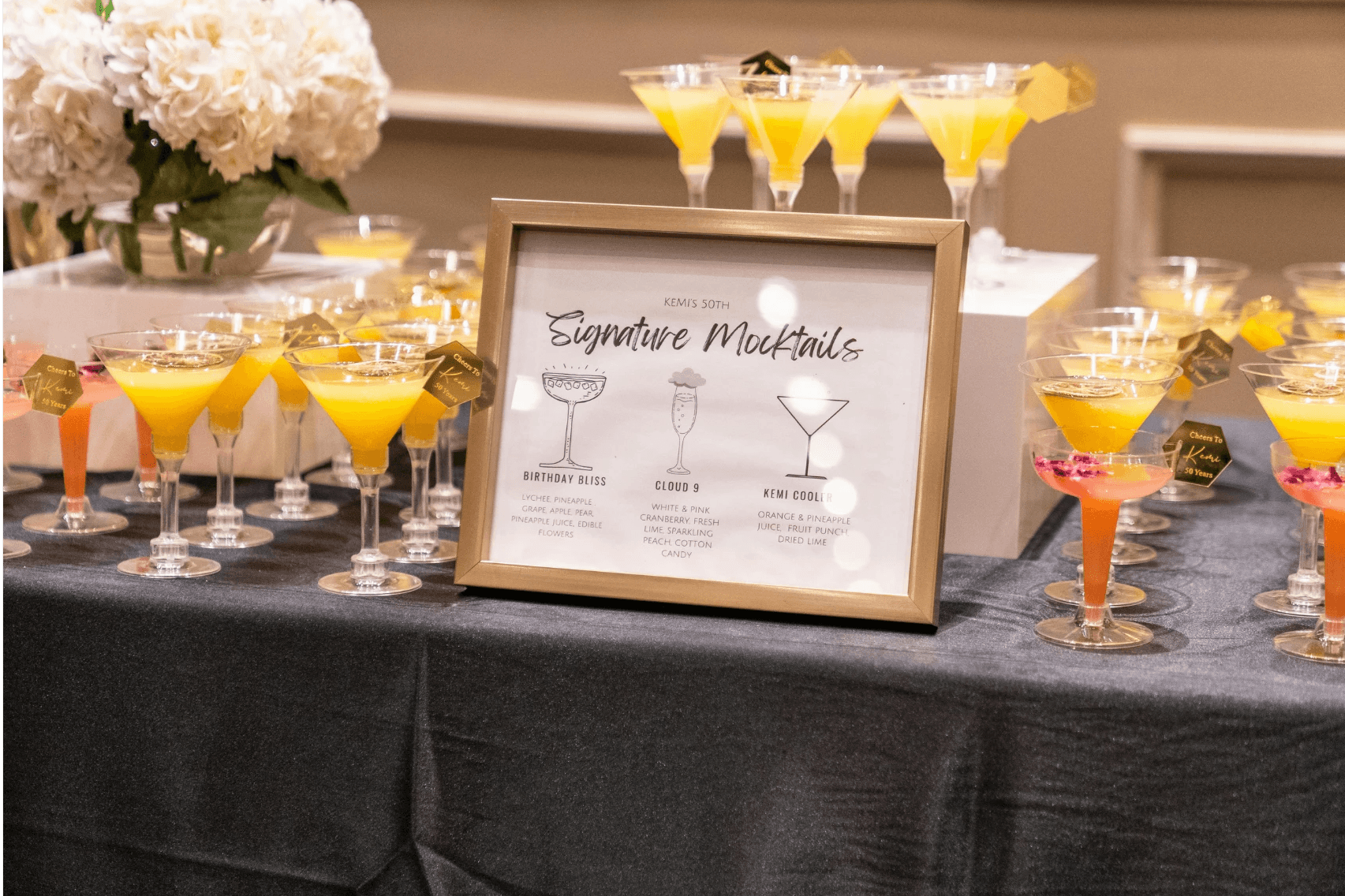
If you want to know where the culture is going follow the money. The non-alcoholic beverage market is exploding. According to NielsenIQ, sales of non-alcoholic beer and wine and spirits grew by over 20% in the last year alone. This is not a niche trend anymore. Major beer companies and spirit brands are pouring millions into zero-proof options because they see the writing on the wall.
But the product is just the accessory. The real product is the lifestyle. The growth of this market proves that people do not want to stop socializing. They just want to do it on their own terms. They want the ritual of a drink without the side effects. They want the cheers without the compromise.
The Future Is Clear
We are moving toward a world where sobriety is not defined by what you gave up but by what you gained. The research is clear. We are drinking less and we are valuing connection more and we are willing to pay for experiences that prioritize our well-being.
The future of socializing is not about being the loudest person in the room or the last one standing. It is about being the most present. It is about building a life and a community that you do not need to escape from.
The data shows we are ready for a new chapter. The only question is are you writing yours?
Be the first to read our articles.